





Danvers, MA, USA – August 29, 2023 – Cell Signaling Technology (CST), a life science discovery technology company and leading provider of antibodies, kits, and services, today announced a partnership with global green chemistry education nonprofit Beyond Benign. As part of CST’s ongoing commitment to supporting Science, Technology, Engineering, and Mathematics (STEM) initiatives and promoting sustainability in life sciences, the partnership will help prepare the next generation of scientists with the skills and expertise needed to apply green practices in the lab.
“Like Beyond Benign, CST is passionate about reducing the environmental impact the life sciences industry has on ecosystems worldwide, and we recognize that the next generation of scientists will play a critical role in bringing about a sustainable future,” said Anthony Michetti, Director of Sustainability at CST. “Investing in students and education is one of the many ways CST is working to inspire industry-wide change for a healthier, more diverse global community.”
Working together, CST and Beyond Benign will provide educators with free, open access to green chemistry teaching resources and the support needed to enable sustainable science education in the classroom. As part of the partnership, CST has become a founding sponsor of Beyond Benign’s Green Chemistry Teaching and Learning Community (GCTLC), which will launch in Fall 2023. The GCTLC is an online platform that will provide global access to resources and training for more than 4,000 faculty members worldwide. By helping educators develop the skills needed to more effectively train the next generation of scientists to think more sustainably, and ultimately carry this knowledge on into their careers, the GCTLC advances Beyond Benign’s goal of ensuring 25% of graduating chemists have a background in green chemistry by 2025.
“Beyond Benign is fostering a global community of transformation that will help solve the world’s most pressing sustainability challenges,” said Dr Amy Cannon, Co-founder and Executive Director of Beyond Benign. “Support from CST will help us to effect systemic and lasting change in chemistry education that will help to empower future generations to make more sustainable choices to reduce or eliminate hazardous substances and improve human health and the environment.”
Support of Beyond Benign is part of CST’s commitment to 1% for the Planet, through which the company has promised to donate at least 1% of its total annual revenue to a network of nonprofit organizations tackling the world’s most pressing environmental issues.
Higher Ed Chemistry departments interested in learning more about Beyond Benign’s Green Chemistry Commitment (GCC) program can do so by visiting Beyond Benign’s GCC webpage, or by contacting Dr Natalie O’Neil, Beyond Benign’s Director of Higher Education, at Natalie_ONeil@beyondbenign.org.
Community members interested in learning more about the GCTLC platform can visit Beyond Benign’s website, or alternatively can reach out to Dr Jonathon Moir, Beyond Benign’s Senior Program Manager for the GCTLC, for more details.
About Cell Signaling Technology
Cell Signaling Technology (CST) is a different kind of life science company—one founded, owned, and run by active research scientists, with the highest standards of product and service quality, technological innovation, and scientific rigor. Founded in 1999 and headquartered in Danvers, Massachusetts, USA, CST employs over 600 people worldwide. We consistently provide fellow scientists around the globe with best-in-class products and services to fuel their quests for discovery. CST is a company of caring people driven by a devotion to facilitating good science—a company committed to doing the right thing for our Customers, our communities, and our planet. cellsignal.com
Follow Cell Signaling Technology on Twitter @CellSignal, on Facebook @cellsignal, and on LinkedIn.
About Beyond Benign
Beyond Benign, a 501(c)3 nonprofit, envisions a world where the chemical building blocks of products used every day are healthy and safe for humans and the environment. Beyond Benign’s mission is to foster a green chemistry community that empowers educators to transform chemistry education for a sustainable future. Beyond Benign is working to equip educators from K-20 with the ability to teach chemistry and STEM through a lens of sustainability grounded in the 12 principles of green chemistry. By providing educators with tools, training, and a peer support network, educators are equipped to train the next generation of scientists and citizens with the skills and knowledge to create and choose products that are safe for human health and the environment.
Co-founded in 2007 by Dr John Warner, the co-founder of the field of green chemistry, and Dr Amy Cannon, who holds the world’s first PhD in Green Chemistry, Beyond Benign has an extensive history of service. Over the past 15 years, Beyond Benign has trained over 6,500 K-12 teachers in sustainable science and green chemistry, designed over 200 open-access lessons, reached over 35,000 youth and community members through outreach, & partnered with over 130 universities to transform chemistry education. Together we can catalyze the development of green technological innovations that result in safer products and processes in support of a sustainable, healthy society.
Sign-up for Beyond Benign’s newsletter, follow on Twitter @BeyondBenign, on Facebook @BeyondBenign, and on LinkedIn.
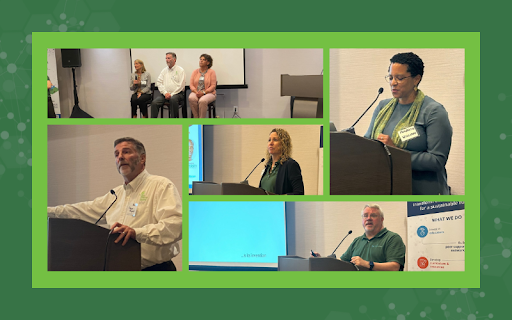
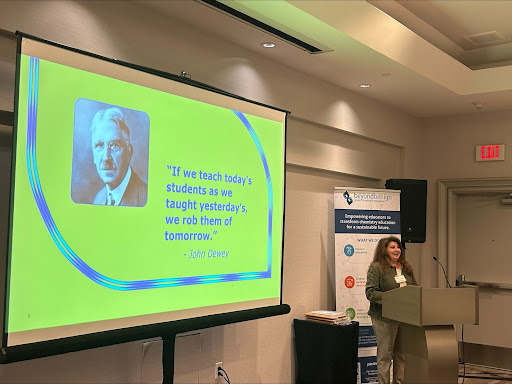
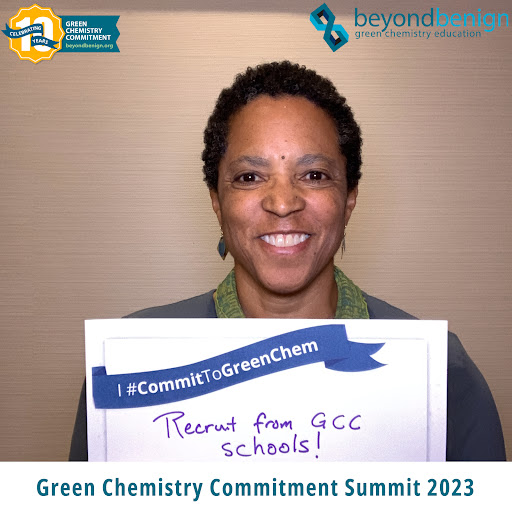
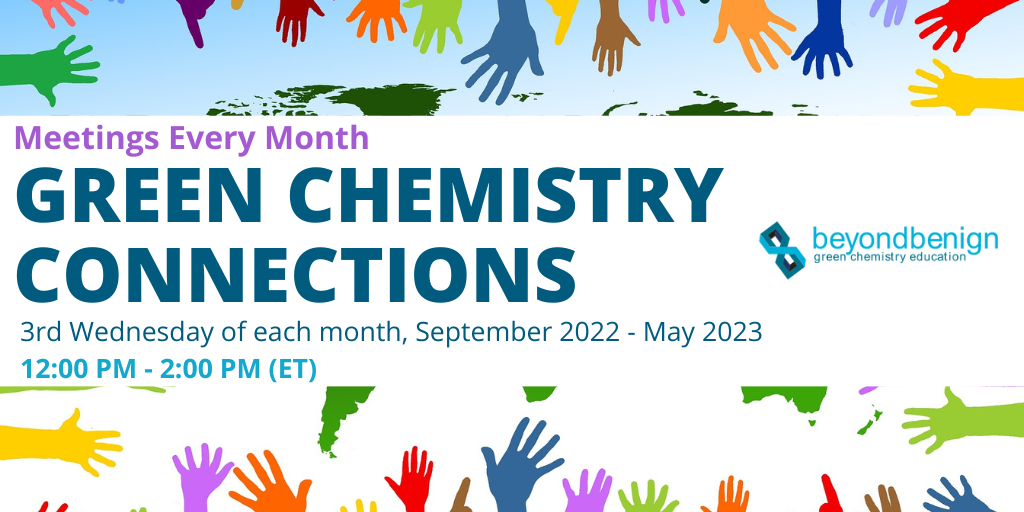 Our higher ed team hosted monthly Green Chemistry Connections events, where higher education and industry leaders actively practicing green chemistry and/or Toxicology shared their experiences. These events provided an opportunity for small group discussions, networking, and resource sharing, following the Green Chemistry Students Learning Objectives as a framework. Throughout the year, we hosted 244 faculty and students during our Connections series, 38% of which attended more than one meeting, for a total of 422 engagements across 9 meetings. Meeting topics ranged from favorite resources, to implementation models from around the world, to useful green chemistry tools used in real-world industry practice. If you’d like to discover our 2022-2023 GCC Connection series, please check out the archived webinar to watch the presentations.
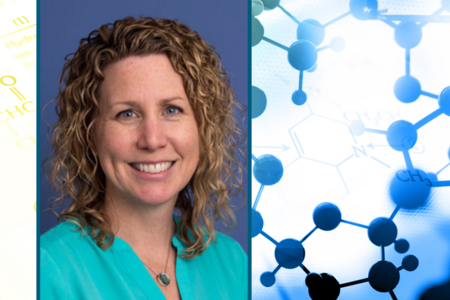
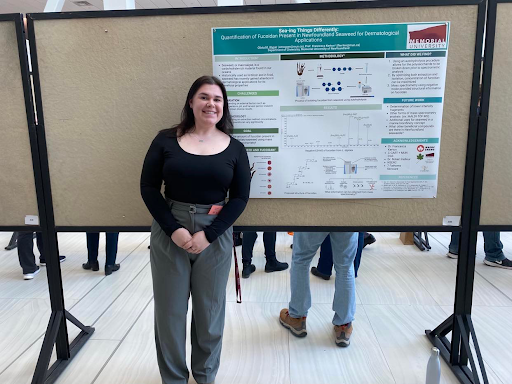 After moving into the Ph.D. program last September, Olivia’s research has moved toward using algae as a renewable energy source, which is in collaboration with the Department of Engineering and Applied Sciences at Memorial University of Newfoundland. This work will look at pre-treatment options for seaweeds to optimize bioethanol and biohydrogen yields. Both of these projects are being actively worked on.
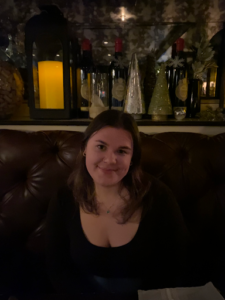 Olivia Wyper is currently a Ph.D. student in the Green Chemistry and Catalysis Group at Memorial University of Newfoundland under the supervision of Prof. Francesca Kerton. She completed her B.Sc (Hons) with Prof. Kerton in the area of renewable catalysts, which led to her interest in green chemistry. Currently, Olivia is looking at Newfoundland seaweed, Laminaria digitata, in dermatological and biorefinery applications. Since the start of her graduate studies, she has been heavily involved in outreach, such as organizing the Global Womens Breakfast in 2022 and 2023, an event organized by IUPAC. Previously, she gave a talk at the Global Conversation on Sustainability and has been involved with Science Rendezvous, an organization that aims to strengthen science knowledge in youth.
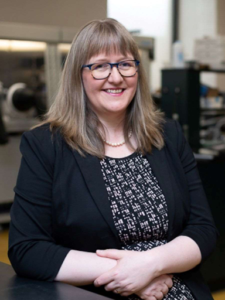 Francesca Kerton is a professor of Chemistry at Memorial University of Newfoundland and has a global reputation for her innovative research on sustainable chemistry related to the oceans. She is a Fellow of The Royal Society of Chemistry and is a member of many scientific panels and committees worldwide. She currently chairs IUPAC’s standing committee on Chemical Research Applied to World Needs (CHEMRAWN) and is chair of the 27th Annual Green Chemistry & Engineering Conference, which will be held in June 2023. She is an Advisory Board member for Reaction Chemistry & Engineering and an Associate Editor for RSC Sustainability. She will chair the 2027 IUPAC World Chemistry Congress and General Assembly, which will be held in Montreal, Canada.
 Over the past year, we teamed up with the UMass Lowell Center for Sustainable Production to form an Expert Committee on Sustainable Chemistry (ECOSChem), a group of 20 leading representatives from industry, government, academic, and non-profit organizations from across the world, to develop an actionable definition and criteria for “sustainable chemistry.” This definition and criteria are to help inform policymakers, industry researchers, educators and so many others in building a more sustainable future through chemistry.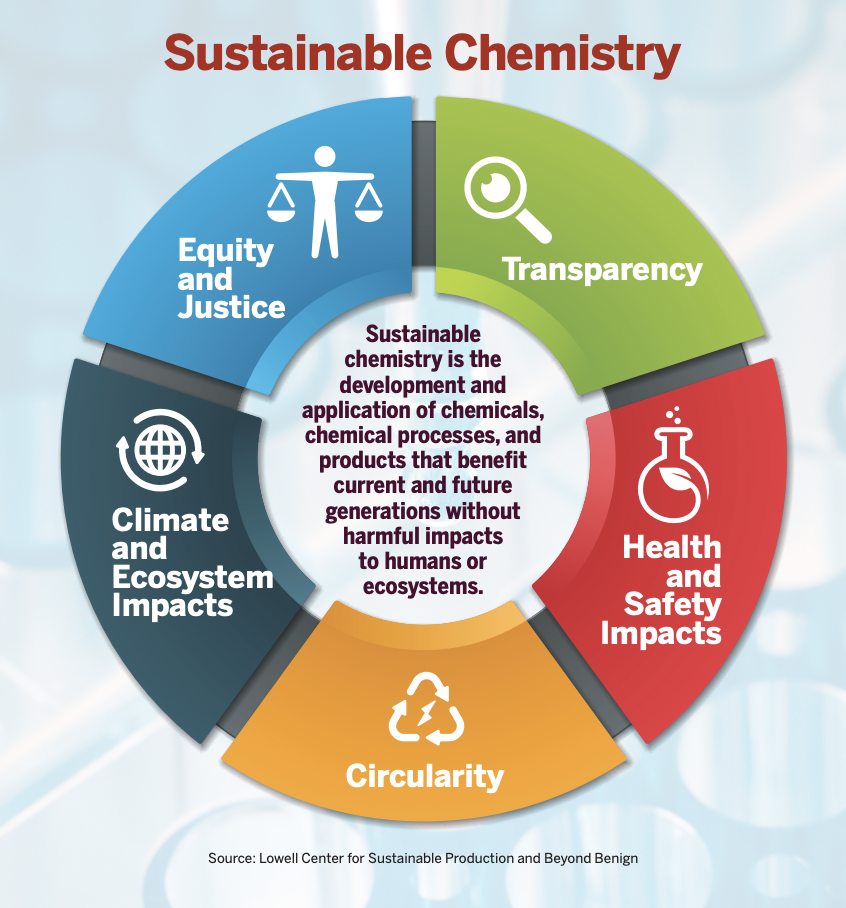
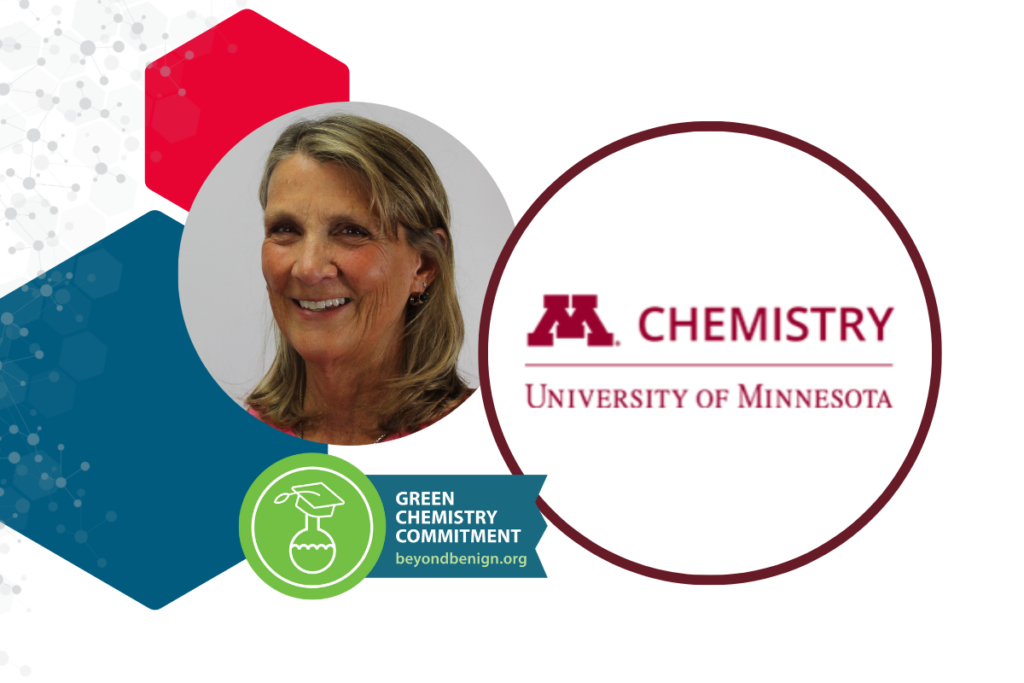
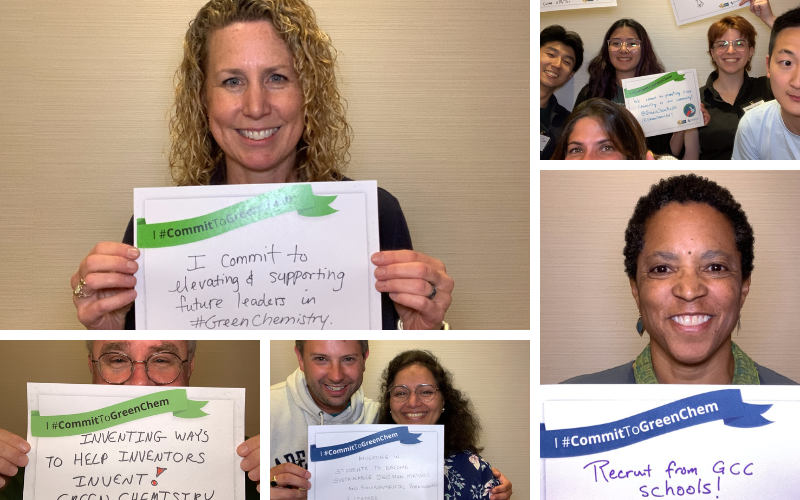
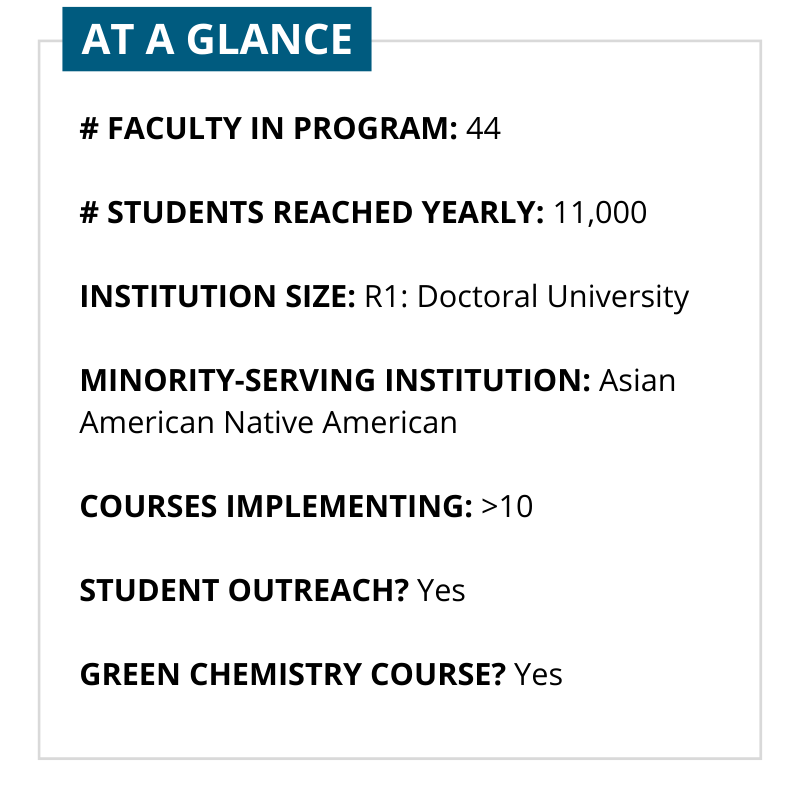 In 2013, Beyond Benign created the Green Chemistry Commitment (GCC) program with guidance from higher education institutions as a framework to unite the global Green Chemistry community. The GCC goal is to infuse Green Chemistry into Higher Education and give scientists the required skills to design processes and products less hazardous to human health and the environment.

 Below, we talk with Williams about her life and work.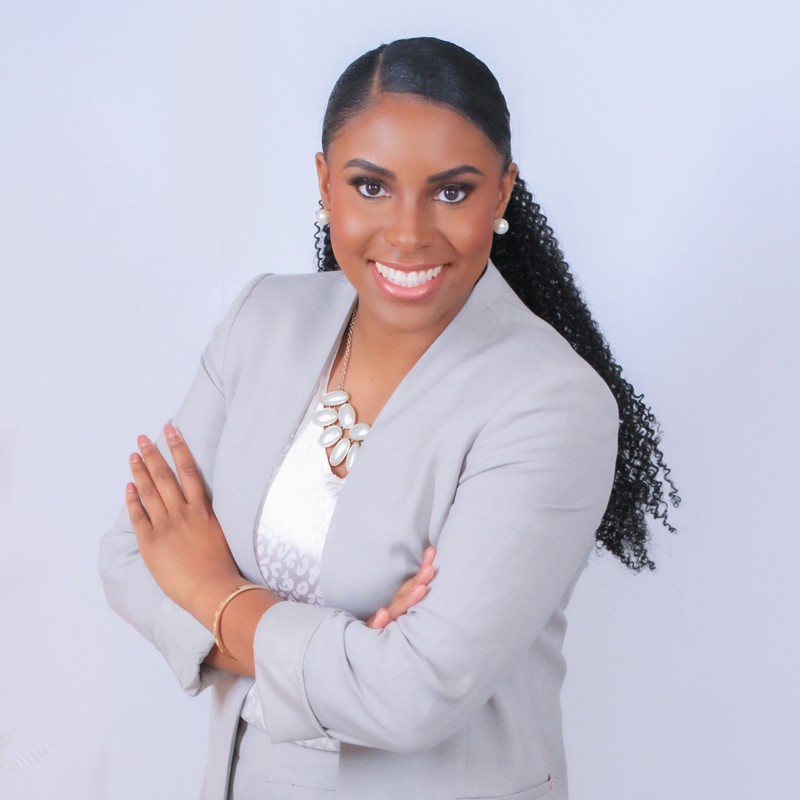
 “In an ideal world, Green Chemistry wouldn’t exist as a sub-discipline. We need to move to a way of thinking where sustainability is considered as part of everything we do. Signing this commitment is symbolic of the growing integration of Green Chemistry across all Chemistry teaching and research at York. The next generation of chemists have enormous potential to accelerate the shift to greener chemistry, and it’s an honour to be part of that process.” – Professor Helen Sneddon, Head of the GCCE.
 Sustainable action begins with a conversation.


