

 Picture strolling with students to collect oak leaves and acorn caps to extract dyes, using green principles to tie-dye in the lab. This lesson, Tie-Dyeing with Tannins and Iron, is one of the most downloaded resources from the Green Chemistry Teaching & Learning Community (GCTLC). As teachers and students alike prepare to return to the classroom, Beyond Benign is sharing a list of its most downloaded green chemistry resources to get both educators and students excited for the academic year ahead. Integrating green chemistry lessons in classrooms and labs is an opportunity to inspire students to practice sustainability through chemistry. Another resource topping the list is the Guidebook for Sustainability in Laboratories, which provides hands-on, action-oriented advice to improve the sustainability of lab users’ everyday practices.
Check out our back-to-school list to find resources to provide engaging and informative lessons in green chemistry. Want more? Then head over to the GCTLC, a virtual space for community members to connect to share ideas and resources to increase the practice of green chemistry from K-12 through higher education.
Elementary, Middle School, and High School Resources
This chapter provides three lessons to engage students with concepts of structure through design, modeling, and phenomena that use less toxic chemicals and limit student and teacher exposure. They include a desalination design challenge for elementary students, a lesson on the particle nature of matter for middle school students, and flame tests for high school students. Some of the questions posed to students include: why are some materials stiff and others flexible?; how can we design a material that has the physical properties we want?; why are there different colors of glass or gems?; and are there some materials that are hard to get rid of, or that don’t degrade over time?
Contributors: Annette Sebuyira, Stefanie Loomis, Erin Mayer, Veronica Morabito-Weeks, Scott Carlson, Jake Foster, Mollie Enright, Beyond Benign
Middle School Resources
This middle school unit engages students in a variety of investigations and modeling to explore the molecular nature of substances and how they interact, with explicit considerations of green chemistry principles. Included are four lessons, an “elephant toothpaste learning expedition,” and a summative assessment. The essential question that structures this unit is: How can we make something new that was not there before? Some of the questions posed to students include: how can we decide if what goes into a system is the same as what comes out of a system?; what happens when potatoes are placed in mystery liquid?; and how can scale help us understand puzzling things? Through this unit, students see the relevance of the activities and green chemistry principles to their lives and apply their learning to authentic situations.
Contributors: Annette Sebuyira, Stefanie Loomis, Erin Mayer, Veronica Morabito-Weeks, Scott Carlson, Jake Foster, Mollie Enright, Beyond Benign
Middle School and High School Resources
Biomimicry Matching Game: This game teaches secondary students about biomimicry, the science and capacity to emulate nature’s best biological ideas to solve human problems. For example, the spider’s web is coated with one of nature’s strongest adhesives, so scientists have recently done studies of what we call “spider web glue.” They found that it is made from proteins with sugars attached to the molecules (glycoproteins). The DNA and enzymes in the spider synthesize this glue, and scientists are working now to find ways to mimic this process. This game provides an engaging way to teach students about the many “green chemists” that exist in the natural world.
Contributors: Mollie Enright, Annette Sebuyira, Janie Butler, Beyond Benign
High School and Introductory Undergraduate Resources
Tie-Dyeing with Tannins and Iron: Use renewable and waste feedstocks to address green principles while having some tie-dye fun in the lab. This laboratory experiment uses tannins from acorns and iron from rusted metal to color cotton fabrics. It explores renewable dyes, oxidation and reduction reactions, and the creation of organometallic coordination polymers from waste resources. It’s suited for introductory and non-major students but can be extended into upper-level undergraduate courses as well. It’s well suited for the fall where students can collect plant matter to dye with — generating oranges, reds, blues, and blacks perfect for the Halloween and autumn seasons.
Contributor: Julian Silverman
High School or Undergraduate Resources
Guidebook for Sustainability in Laboratories: Scientific research and experiments in a laboratory generate vast amounts of waste in the form of chemicals or single-use plastics. Devices and equipment such as fumehoods and ultra-low temperature freezers consume as much energy as several households. These factors contribute to the carbon footprint of laboratory practices. This guidebook provides hands-on, action-oriented advice to improve the sustainability of lab users’ everyday practices. For example, closing sashes of fumehoods not only saves up to 67% of energy but is also much safer for the researchers working in the laboratory. These recommended measures not only reduce the carbon impact of laboratory practices but lead to reduced costs and enhanced cost efficiency. The guidebook provides advice to labs covering disciplines such as biology, chemistry, computational science, engineering, life sciences, materials sciences, medicine, pharmacy, and physics.
Contributors: Thomas Freese, Renate Kat, Suzanne Lanooij, Tanja C. Böllersen, Maurits De Roo, N Elzinga, MBeatty, Brian Setz, Roza Weber, Irene Maltagliati, Timea Gandek, Peter Fodran, Robert Pollice, Michael Lerch
Environmental Toxicology | Toxicology for Chemists Module 8: What are the sources and health effects of air pollutants? What hazardous substances can be found in drinking water? If a chemical is spilled during transportation, at what rate will it move through groundwater? This module serves as an introduction to the principles of environmental toxicity: air pollution, water pollution, and chemical transport and fate. Students will learn examples of pollutants and their effects on human health and the environment through case studies, activities, and in-class discussions. With the help of these materials, students learn chemistry by considering specific human experiences across the globe.
Contributors: Beyond Benign, Nesta Bortey-Sam
Introductory Undergraduate Resources
Green Chemistry University Course | Lecture 1 Course Introduction and Accidents and Their Unintentional Consequences: Lab safety starts with accident prevention. In this 14-week lecture series, students will learn about the course requirements and innovative capabilities of green chemistry. By using thoughtful design and green chemistry principles, students will find that accidents can be reduced or prevented.
Contributors: Beyond Benign, Yale Center for Green Chemistry and Green Engineering
Introductory Undergraduate or Upper/Advanced Undergraduate Resources
History and Principles of Toxicology | Toxicology for Chemists Curriculum Module 1: How do we “know” what is toxic? How much testing is enough? Who decides? Students gain an understanding of the history and principles of toxicology to contemplate these and other questions through lectures, case studies, and homework assignments. The first part of the module introduces students to toxicology, helping them understand the history of toxicology and its underlying principles; the progression of toxicology as a science; the development of regulatory agencies; key case studies that developed the field; and the paradox of uncertainty. In the second part of the module, students learn the general principles of toxicology; how dose determines the effect of a substance; and the factors that affect the toxicity of a chemical.
Contributors: Beyond Benign, Amy Cannon, Cynthia Woodbridge
Understanding Hazard and Risk | Toxicology for Chemists Module 2
This module is an introduction to understanding the principles of hazard and risk. The lectures contain multiple case studies and have a flexible format: you can take any slides and use them in any order to build your lecture. There are five student assignments that correspond to the slides, as well as a list of additional resources for instructors. Using these materials, students will understand the basic concepts of hazard, exposure, and risk; be able to perform a simple chemical hazard assessment; be able to compare similarities and differences between a risk assessment and an alternative assessment; and apply alternative assessment concepts to a product.
Contributors: Beyond Benign, Saskia van Bergen
Predictive Toxicology | Toxicology for Chemists Module 10: This module provides an overview of computational methods to predict the toxicity of chemicals. Through lecture slides, activities, videos, and in-class discussions, students will learn an overview of the latest methods that have been successfully applied to predict the toxic effects of chemicals, helping them understand the nexus of computational sciences and toxicology. Particular emphasis is placed on carbon-based toxicants. The lecture slides include multiple case studies, in-class discussions, assignments, and homework activities. This resource also provides educators access to multiple General Atomic and Molecular Electronic Structure System (GAMESS) activities and problem sets.
Contributors: Beyond Benign, Cintia Milagre
Toxicity of Metals | Toxicology for Chemists Module 6: What is metal pollution and what are its impacts on human health, animal health, and the environment? This module introduces students to metal toxicity, teaching them about the toxicity of metals in the body, metal pollution, the difference between metals and metalloids, mechanisms of heavy metal toxicity, and factors that affect metal toxicity. Through case studies, in-class assignments, and activities, students gain an applied outlook on the chemistry through reference to many global incidents and situations.
Contributors: Beyond Benign, Nesta Bortey-Sam
How to get involved:
- If you haven’t yet joined the GCTLC, create your free profile today to access all of these resources and many more.
- Subscribe to Beyond Benign’s newsletter to get green chemistry news, resources, and inspiration delivered to your inbox monthly.
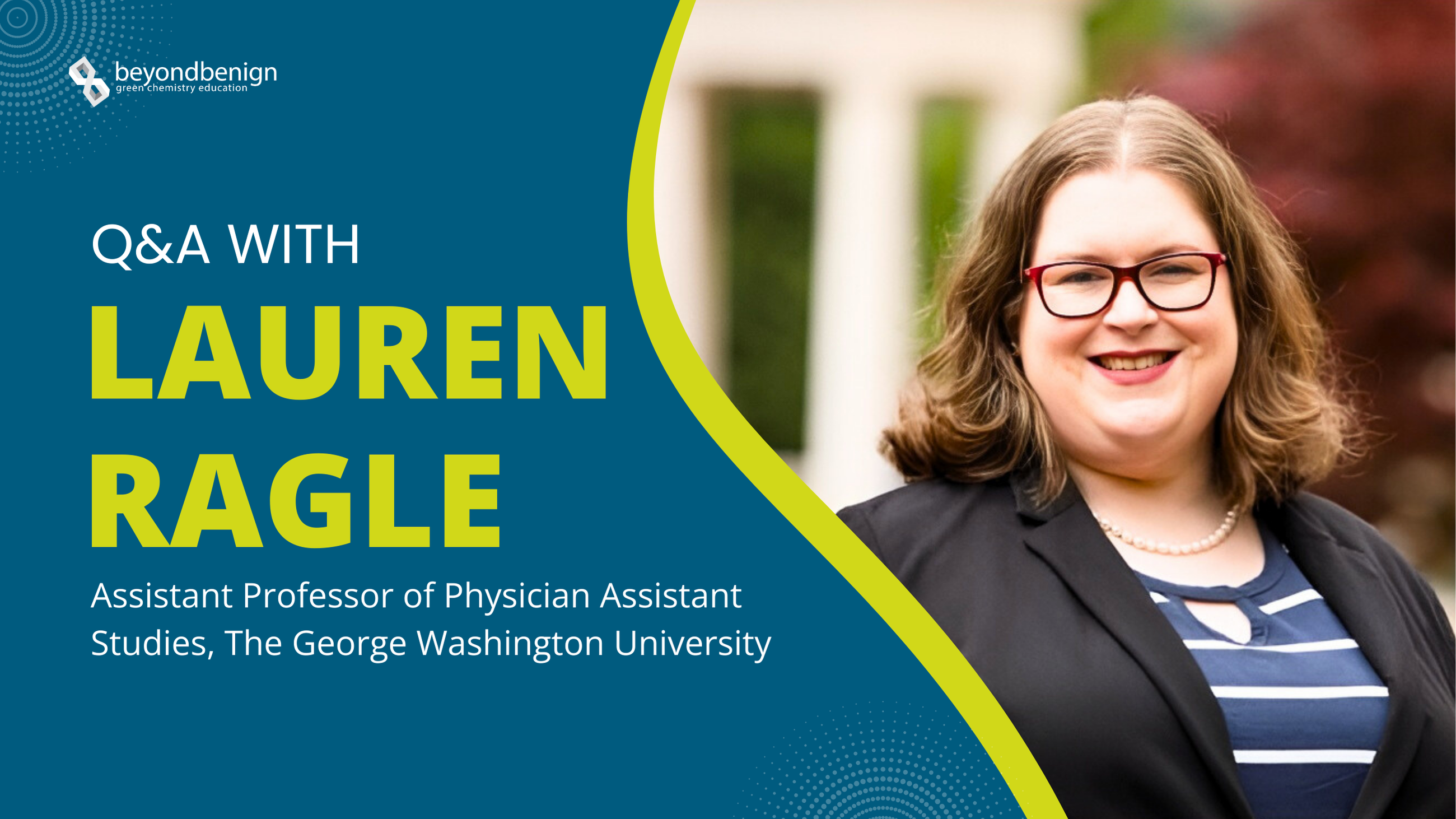 Green chemistry and disability advocacy share a common goal: improving well-being by creating inclusive, sustainable solutions that benefit everyone. Ensuring that students with disabilities are able to learn and thrive in accessible learning environments is crucial to creating an inclusive and sustainable future.

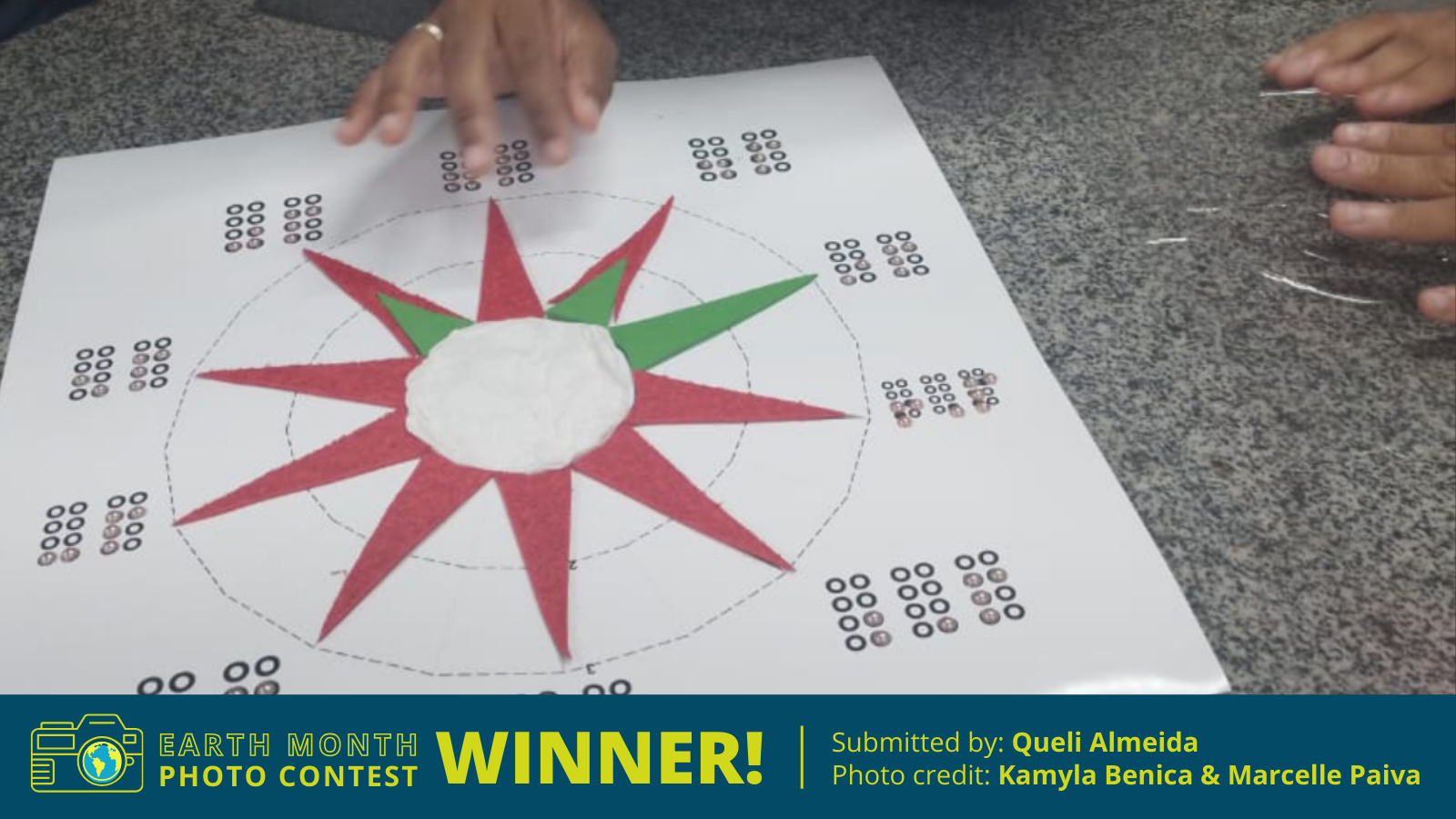 Professor Queli Almeida, a member of the Beyond Benign community, is doing incredible work in Rio de Janeiro, Brazil, by advancing green chemistry education and increasing access to green and sustainable labs for students who are visually impaired. Almeida won Beyond Benign’s 2024

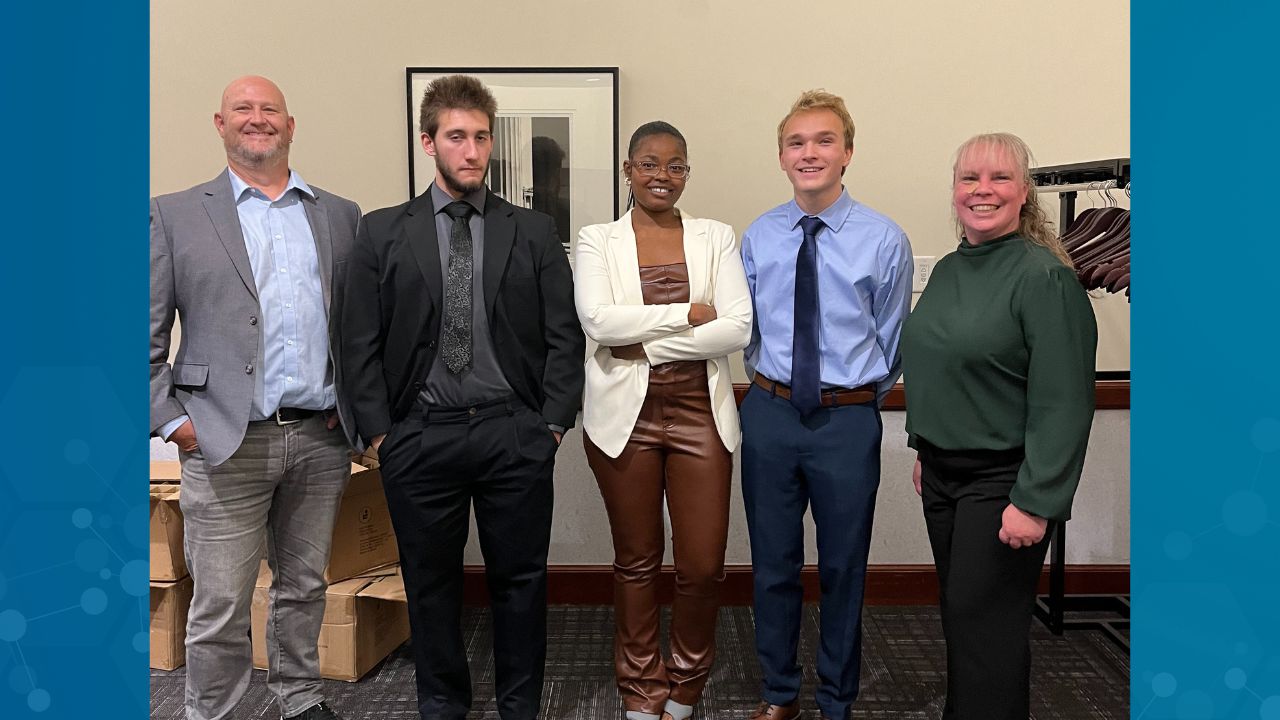 Left to right: Dr. Loyd Bastin, Anthony Ruggiero, Adrienne Gordy, Ryan Schlosser, and Christina McCullough
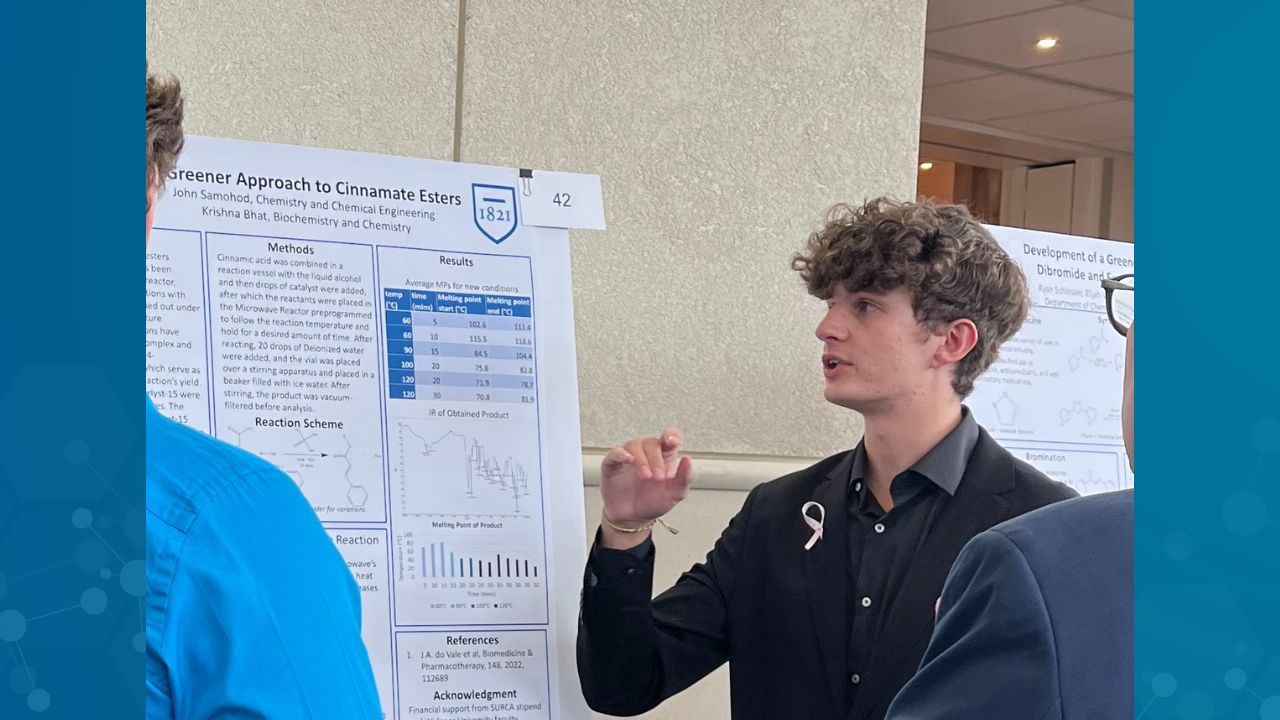 John Samohod, Chemistry and Chemical Engineering Class of 2025 | A Greener Approach to Cinnamate Esters
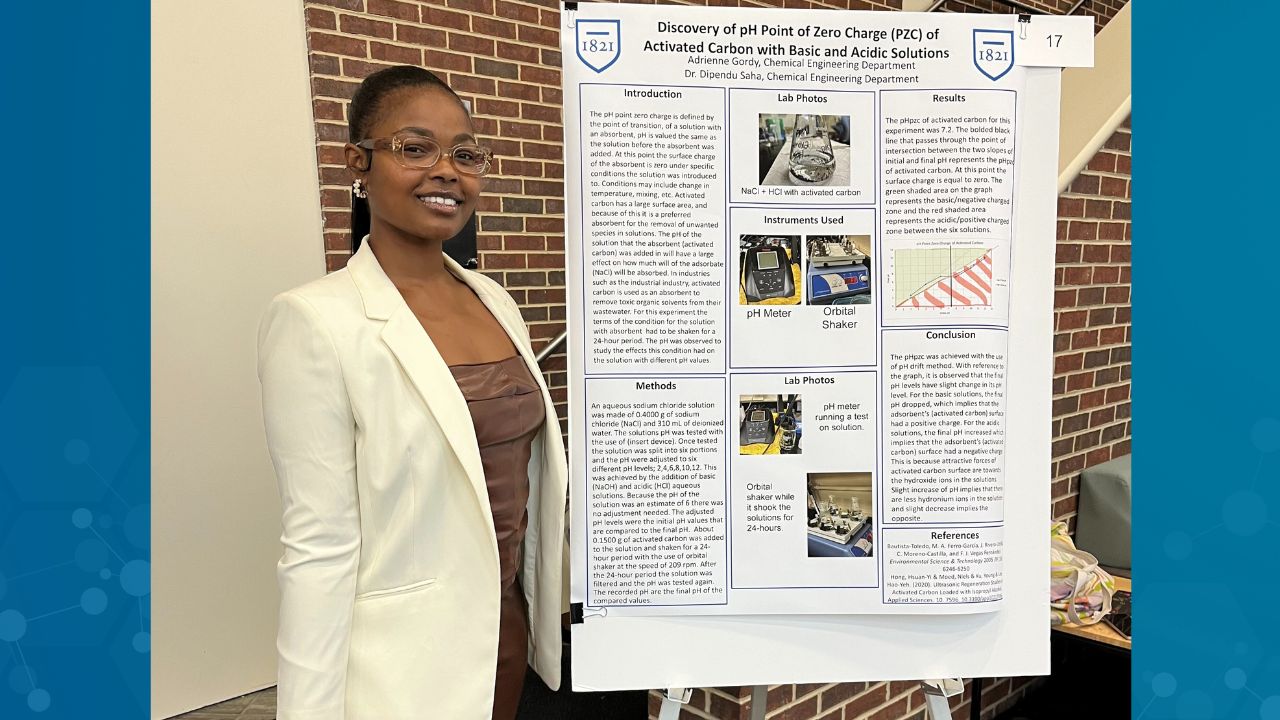 Adrienne Gordy, Chemical Engineering Class of 2024 | Discovery of pH Point of Zero Charge (P2C) of Activated Carbon with Basic and Acidic Solutions
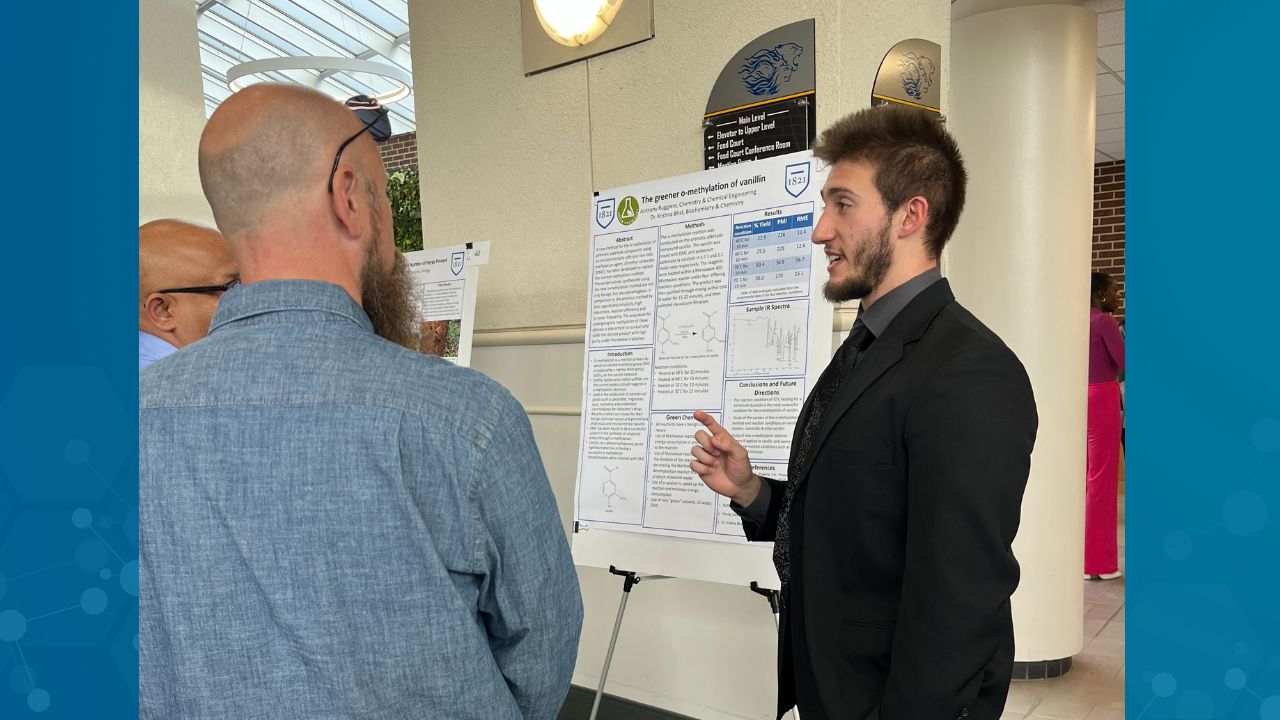 Anthony Ruggiero, Chemistry and Chemical Engineering Class of 2025 | The greener o-methylation of vanillin
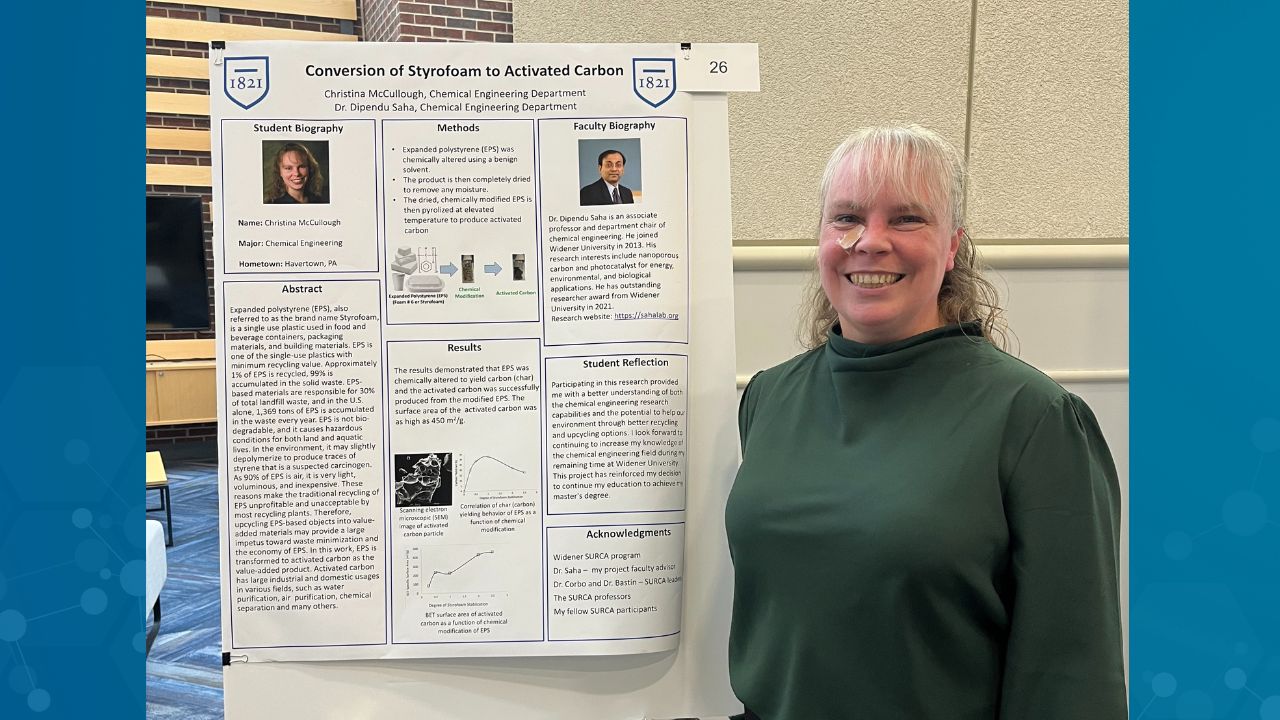 Christina McCullough, Chemical Engineering Class of 2024 | Conversion of Styrofoam to Activated Carbon– Winner, best in Chemistry and Chemical Engineering
 Ryan Schlosser, Chemistry and Chemical Engineering Class of 2025 | Development of a Greener Synthesis of Dibromide and Epoxide Chalcones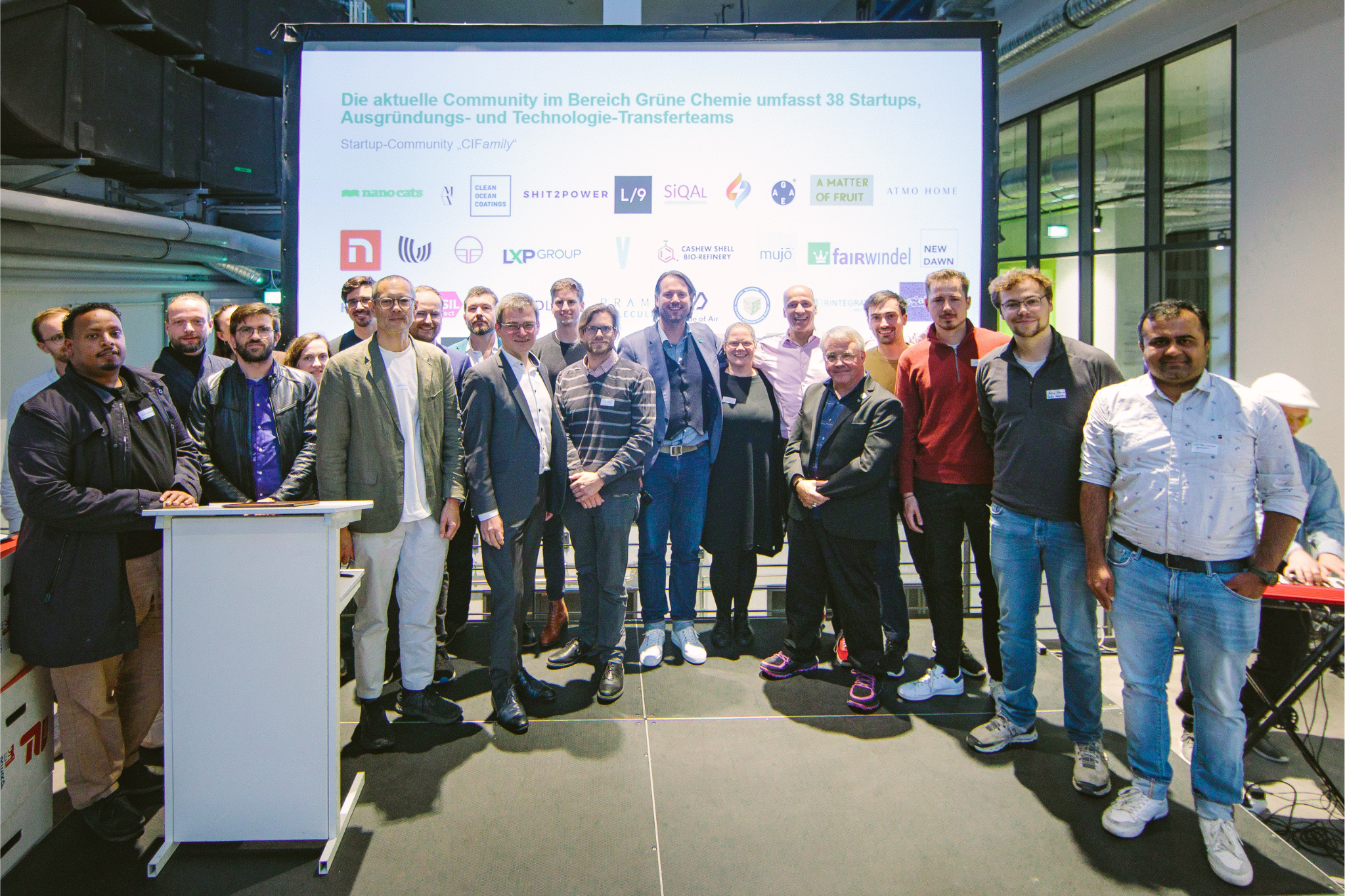
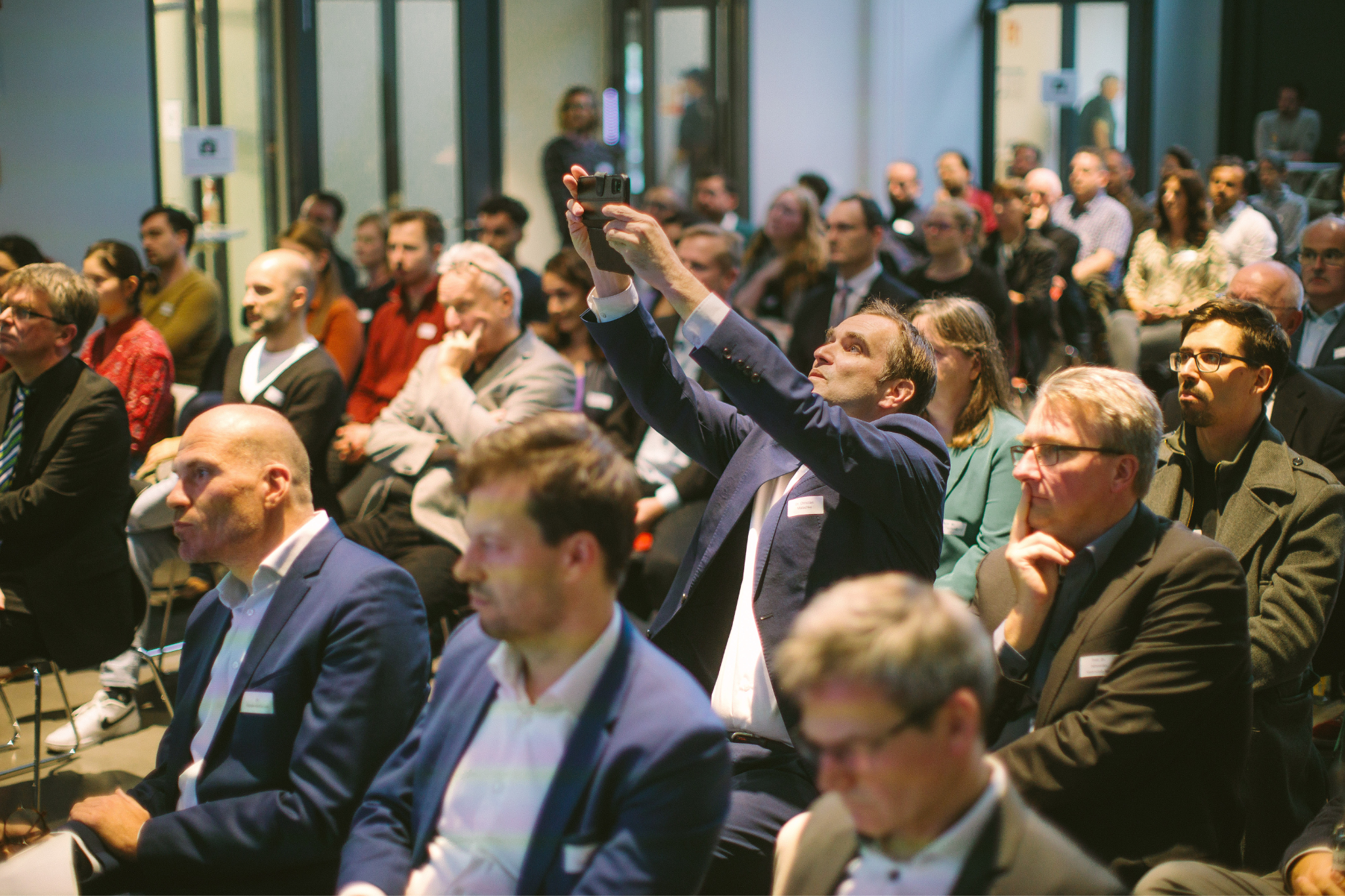 Who attended the event, and what does this say about the state of green chemistry in Germany?
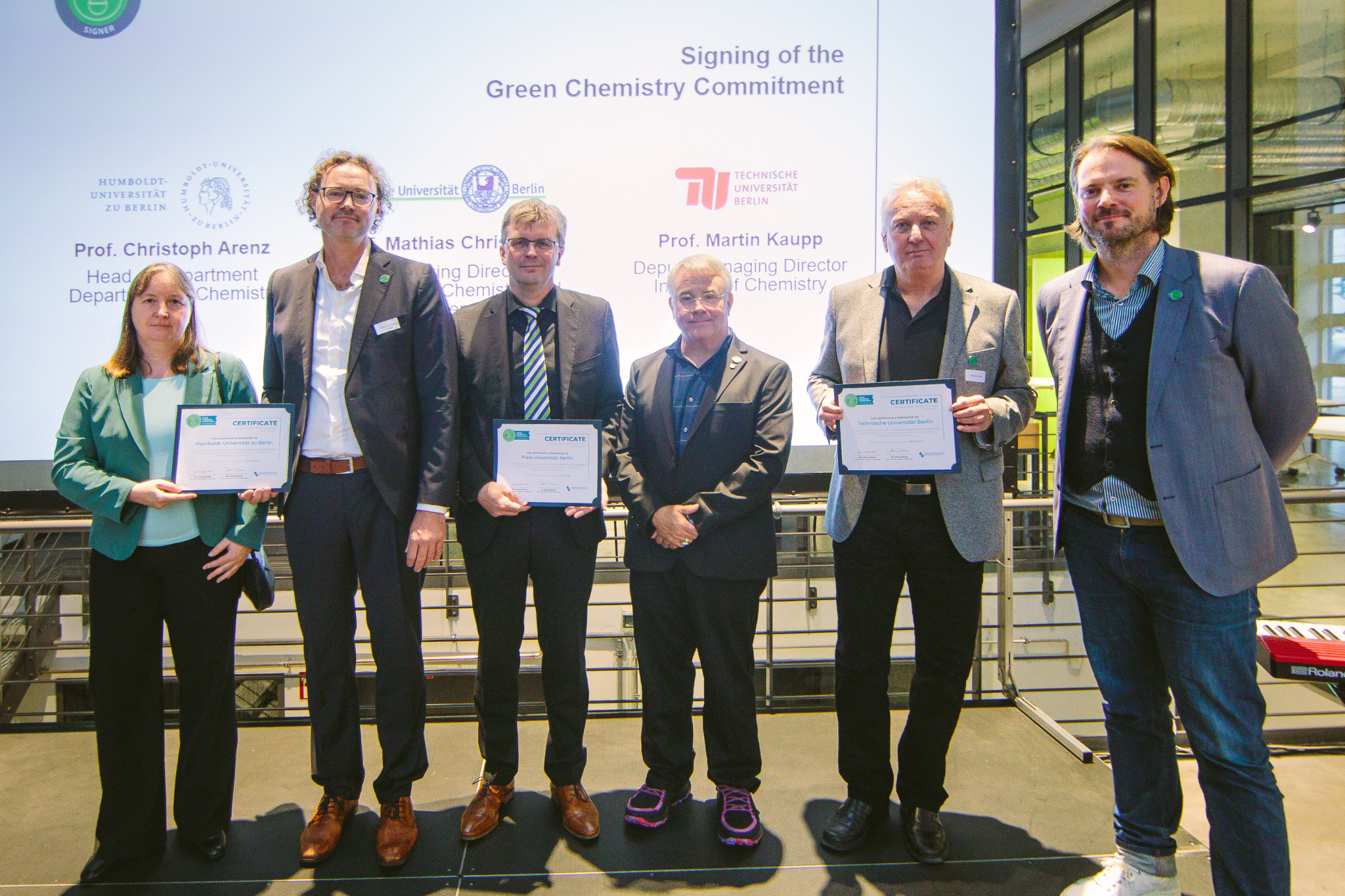 What are the next steps for your institution now that you’ve signed the GCC?
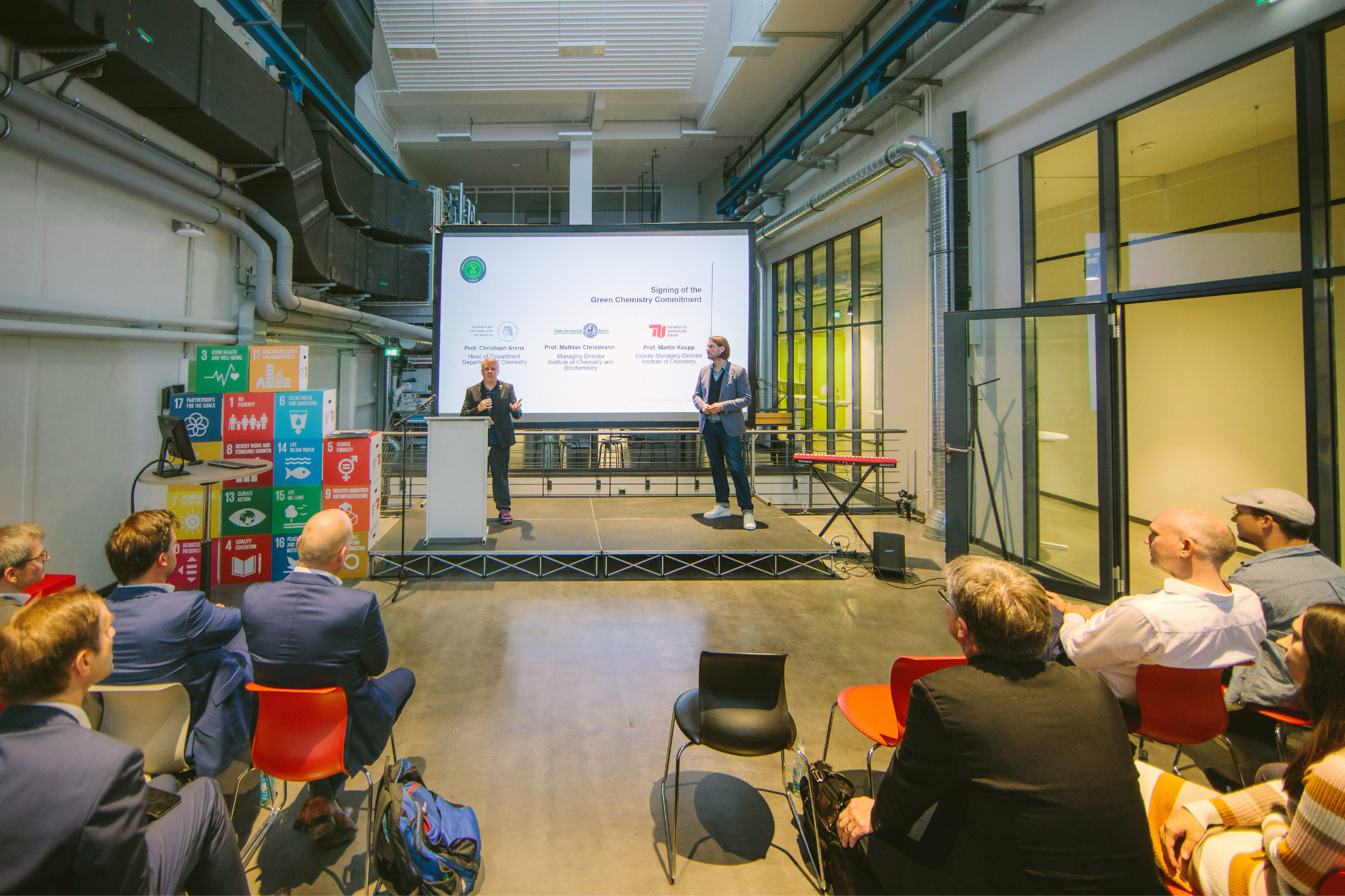 What do you think is the future of green chemistry in Germany?

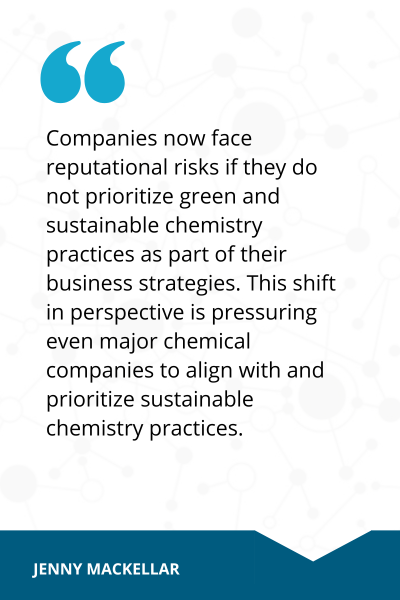 Secondly, we are seeing the finance community prioritizing green and sustainable chemistry. Companies now face reputational risks if they do not prioritize green and sustainable chemistry practices as part of their business strategies. This shift in perspective is pressuring even major chemical companies to align with and prioritize sustainable chemistry practices.
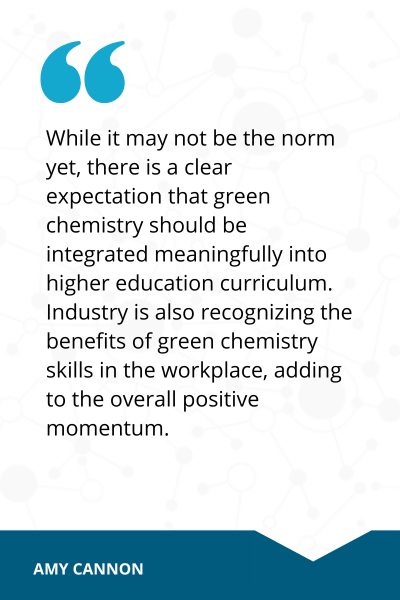 The updated
 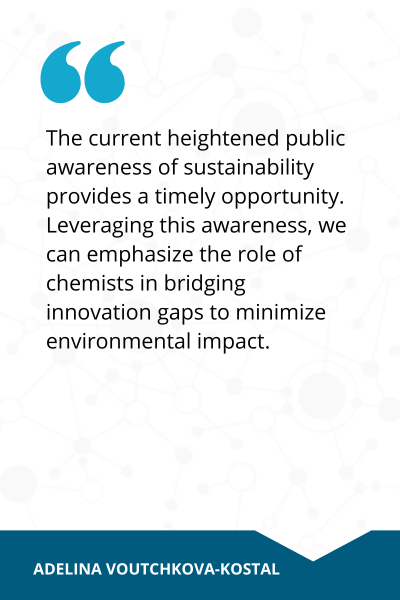 One approach for that is leveraging the ACS’s broad reach to inspire chemists about the broader application of their research. The GCI looks to showcase not only fundamental research but also its real-world applications in solving sustainability challenges. In the long term, we plan to engage the global community with campaigns that communicate the vital role of chemistry in addressing sustainability challenges.
 Looking ahead, our vision involves creating a broader industry-academia nexus, a theme that will shape many GCI initiatives over the next few years. Based on my own experience in academic research, I see this as an area of tremendous potential. There are opportunities for the ACS to serve a critical role in integrating these two communities and sparking long-term connections, as opposed to just short-term collaborations.
 Addressing environmental justice requires a holistic approach, understanding the impacts of our trade at multiple levels. This involves considering historical and current implications, recognizing the real impacts of our actions, and exploring ways to improve. Embracing a systems thinking perspective is crucial, moving beyond silos and acknowledging broader impacts. We aim to weave these considerations into curriculum development and program approaches, with specific, detailed plans for engaging with various institutions. Our focus is on meaningful engagement, support, and elevation, aiming for a direction where chemistry is beneficial to all and not exclusive. While these plans are broad, they represent the beginning of our initiatives at Beyond Benign, with many more opportunities to explore.