



Our higher education programs are centered around The Green Chemistry Commitment program, which supports college and university faculty and students in implementing and sharing best practices in green chemistry theory and practice through collaborative working groups, a webinar series, and green chemistry curriculum. Learn more about the program, how to implement green chemistry in your course, or visit our For Students page to learn how students are bringing green chemistry to their campuses.
join us!
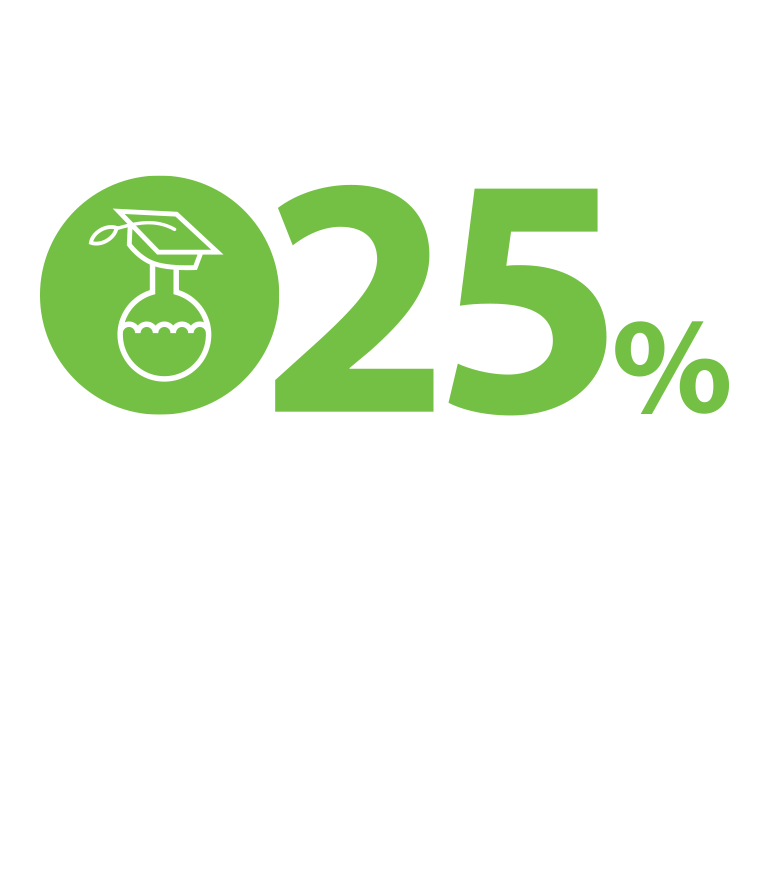
to reach our 2025 goal
GCC 25×25: Preparing the Next Generation Workforce for Sustainable Action






"The goal of Green Chemistry is for the term to disappear and it simply becomes how we practice chemistry."
- John C. Warner, Co-Founder of Beyond Benign and the Warner Babcock Institute for Green Chemistry
upcoming events
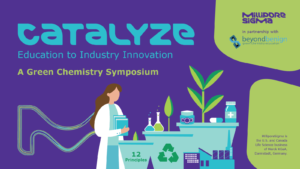
Catalyze: Education to Industry Innovation
April 25, 2024 @ 8:00 am - 6:00 pmBeyond Benign and MilliporeSigma are thrilled to invite you to ‘Catalyze: Education to Industr...
Find out more »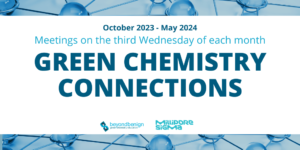
Green Chemistry Connections
May 15, 2024 @ 12:00 pm - 2:00 pmRegister now to join us! Beyond Benign will host virtual and monthly Green Chemistry Connections aro...
Find out more »what's new
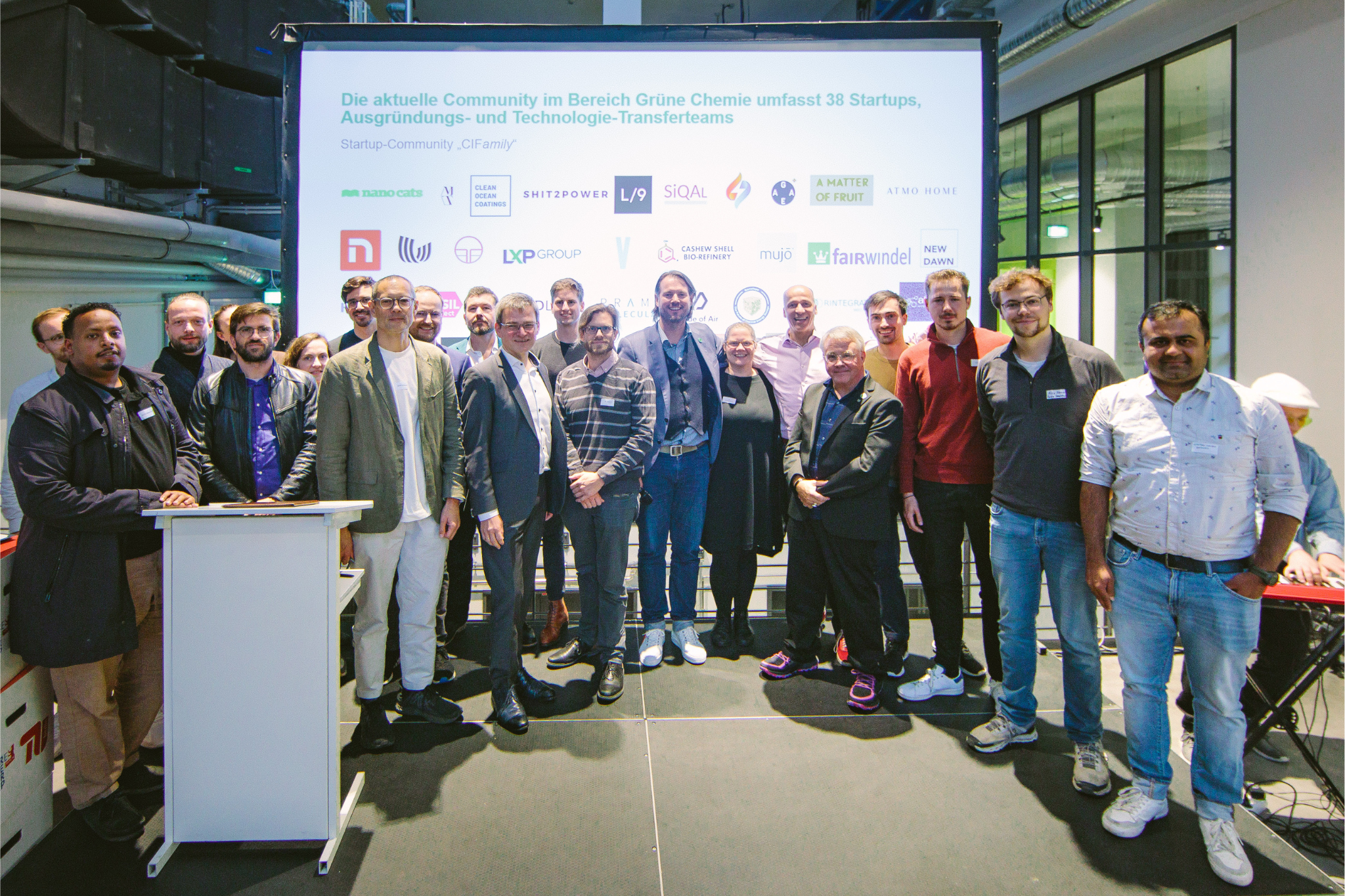
Photos by event photographer Gerald Schmidt A growing green chemistry ecosystem is taking root in Germany, where Berlin’s three largest universities have signed on to Beyond Benign’s Green Chemistry Commitment […]
WILMINGTON, Mass., March 26 – Today, Dow (NYSE: DOW), a global leader in materials science, and Beyond Benign, a nonprofit organization focused on making green chemistry an integral part of education, announce an […]
At Beyond Benign, we aim to empower educators to transform chemistry education for a sustainable future. To further this mission, we partner with industry to provide funding for educators […]
frequently asked questions

Why green chemistry in higher education?
x
There are many benefits to implementing green chemistry in higher education courses and labs – including, reducing waste, reducing costs, peaking student interest, and better preparing students with 21st century skills.

Is it more expensive?
x
No, costs associated with hazardous waste and purchasing costs often are reduced upon implementing greener chemistry experiments within higher education. See our Higher Education Case Studies (in the organic chem section of our higher ed curriculum) for quantitative evaluations of the costs associated with traditional versus greener laboratory experiments.

Is industry interested in green chemistry?
x
Students with green chemistry skills are valued by industry and the greener chemicals market is projected to be a $100 billion market by 2020 (Pike Research). Green chemistry provides an added value for industry – helping to reduce costs associated with the use and generation of hazardous substances, providing a platform for innovation in creating chemical solutions, and also can be found to achieve a quicker time-to-market for products.

